Models and methods for Clinical Psychology
Angelique Cramer
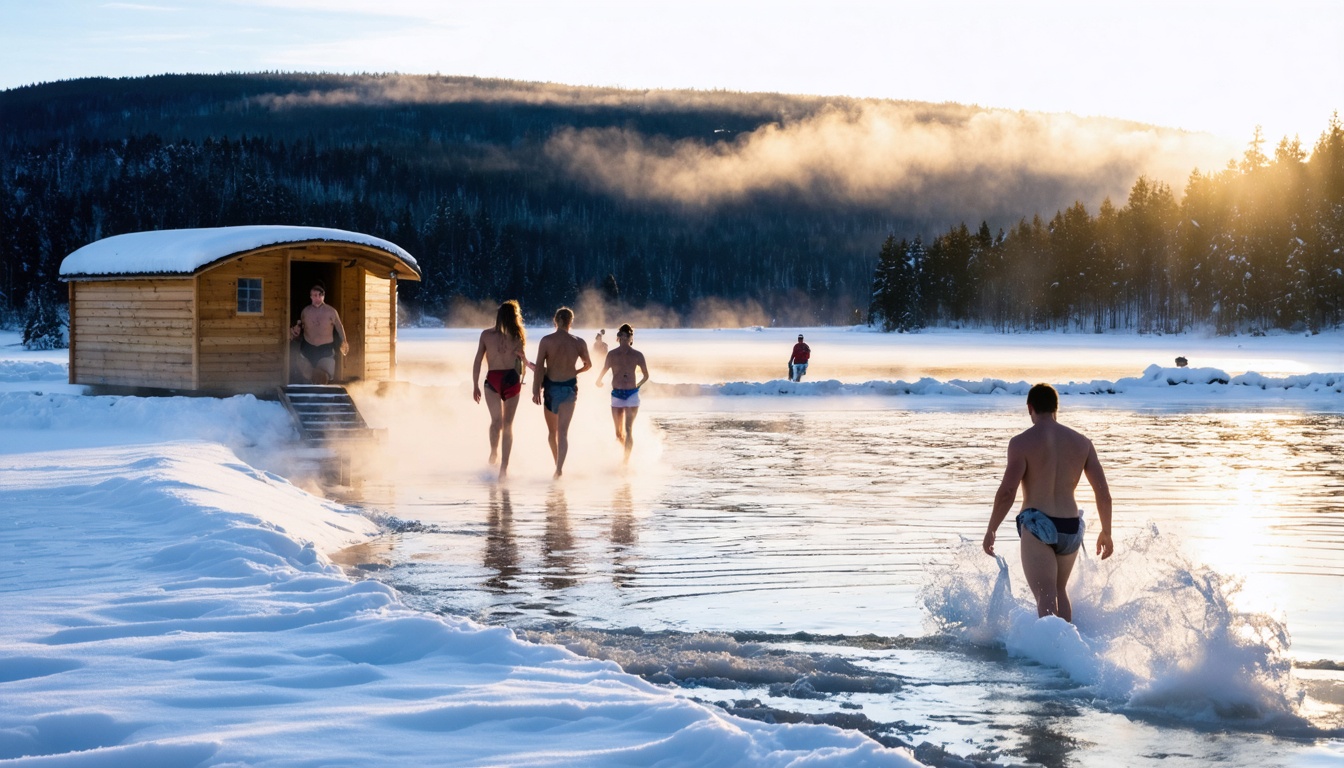
How Cold Therapy Supports Addiction Treatment
If you’re searching for new ways to strengthen your recovery, you might consider cold therapy. By exposing your body to low temperatures, you can experience reduced inflammation and a noticeable lift in mood. It’s not just about physical benefits—cold therapy may also help with withdrawal symptoms and cravings. You’ll want to know how these simple methods can fit into your routine and what it could mean for lasting change.
Physical and Mental Health Advantages of Cold Therapy
Cold therapy has been recognized for its potential physical and mental health benefits, particularly in the context of addiction recovery. Techniques such as aquatic cold immersion can play a role in detoxification and rehabilitation by stimulating the release of dopamine, which may contribute to improved mood and reduced pain levels.
In both Tucson Drug Rehab Centers and residential treatment facilities, cold therapy is often incorporated as a complementary method to enhance physical stabilization and emotional resilience. This approach supports individualized care and group therapy settings alike.
When integrated with other therapeutic modalities—such as guided meditation, yoga, acupuncture, reflexology, and Reiki—cold therapy can create a more comprehensive recovery plan tailored to the unique needs of individuals.
Furthermore, cold therapy can be particularly advantageous in medical and dual diagnosis treatment scenarios, whether the setting is inpatient or involves non-12 step methods. For those interested in exploring such treatment options, facilities often encourage prospective clients to reach out for further information or to schedule a program tour, thereby facilitating the next steps in their wellness journey.
Managing Withdrawal Symptoms and Reducing Cravings
Managing withdrawal symptoms and reducing cravings are critical components of addiction recovery, particularly during the Detox and Inpatient Rehab phases. Cold therapy has emerged as a potential natural intervention for addressing alcohol or drug cravings. This approach leverages aquatic immersion to stimulate the release of endorphins and dopamine, which may contribute to emotional stabilization and overall recovery.
Incorporating cold therapy into treatment protocols can enhance the effectiveness of various complementary therapies such as acupuncture, reflexology, Reiki, cupping, and meditation yoga. These integrative practices aim to support the individual's comfort and well-being throughout the recovery process.
Programs that adopt a holistic care model, including custom residential and dual diagnosis approaches, acknowledge the multifaceted nature of addiction treatment. In particular, facilities in Tampa have begun integrating cold therapy as part of their non-12 step methodologies.
For individuals seeking assistance, whether through personal initiatives or employee assistance programs, it is advisable to consult with professionals who can provide informed support tailored to specific needs.
For further guidance, reaching out to treatment providers is recommended.
Enhancing Social Support Through Group Cold Therapy
Engaging in group cold therapy sessions can play a significant role in enhancing social support within addiction treatment frameworks. This approach fosters connections among individuals in recovery by promoting shared experiences rooted in mutual vulnerability. Participants often engage in cold water immersion or aquatic cold therapy as part of various rehabilitation settings, including residential, inpatient, and outpatient programs.
Programs that utilize this therapeutic method may incorporate it alongside other modalities such as guided meditation, yoga, acupuncture, reflexology, and detox services. The experience of enduring cold challenges together can activate physiological responses, including the release of dopamine. This biochemical reaction not only contributes to a sense of reward but may also strengthen interpersonal trust and enhance motivation for sustained recovery.
Overall, group cold therapy serves as a complementary method within non-12-step treatment models, particularly in regions like Tampa, where these integrated approaches are gaining recognition.
By addressing both individual needs and group dynamics, this therapeutic form can lead to improved treatment outcomes.
Integrating Cold Therapy With Evidence-Based Treatment
The integration of cold therapy with established evidence-based treatments, such as counseling and group therapy, may enhance both the physical and emotional dimensions of addiction recovery. Research indicates that implementing cold therapy during detoxification and medical stabilization can yield positive outcomes, particularly when combined with inpatient or residential treatment settings.
Cold therapy is believed to improve circulation and facilitate dopamine regulation, which can complement interventions such as experiential therapy, guided meditation, yoga, and acupuncture.
Furthermore, cold therapy can be effectively incorporated into various treatment programs, including Custom Dual Diagnosis programs, Employee Assistance Programs, and non-12-step approaches. This strategy appears to support a holistic framework for addiction recovery.
The inclusion of cold therapy in drug rehabilitation and continuing care programs might provide additional support to individualized recovery treatment plans, regardless of geographical location, including areas such as Tampa.
Overall, while cold therapy may not be a standalone solution, its integration within a comprehensive treatment regimen warrants further exploration to assess its efficacy in supporting recovery outcomes.
Promoting Lasting Wellness and Resilience
Resilience plays a critical role in long-term recovery from substance use disorders, and cold therapy can be an effective tool in developing this trait. By subjecting oneself to cold exposure, individuals can learn to manage discomfort, which can reduce the tendency to turn to substances such as drugs or alcohol as coping mechanisms.
Incorporating cold therapy into Detox, Rehabilitation, and Treatment Services in Tampa, as well as Residential Inpatient programs, can enhance therapeutic outcomes by promoting stabilization and dual diagnosis treatment.
The inclusion of group therapy sessions fosters a sense of community, which is essential for recovery. Additionally, cold therapy can induce biochemical changes, such as increased dopamine levels, which may contribute to improved mood and emotional regulation.
When combined with other modalities—such as Medical Care, Guided Meditation, Yoga, Acupuncture, Reflexology, Reiki, and individualized experiential therapies—cold therapy can contribute to a holistic approach to recovery.
These combined therapies can strengthen the foundation of recovery and an individual's ongoing commitment to wellness. For more information, consider reaching out to local treatment services.
Conclusion
When you incorporate cold therapy into your recovery process, you’re giving yourself another tool to support both your body and mind. While it’s not a replacement for evidence-based treatment, it can help manage withdrawal symptoms, reduce cravings, and boost your mood. By combining cold therapy with other proven methods, you strengthen your resilience and promote lasting wellness. Always consult with a healthcare provider to make sure it’s the right fit for your individual needs.